CyberCup.ai
An AI-enhanced cybersecurity training platform combining traditional CTF challenges with LLM-powered learning, actively developed under the Inspire Center organization with a cross-functional team of 8 engineers.

Figures are reported project outcomes and characteristics from my work; they are not independent benchmarks of this portfolio.
What It Is
CyberCup.ai is an actively developed, full-stack AI-enhanced cybersecurity training platform built under the Inspire Center organization. It merges traditional Capture The Flag (CTF) mechanics with LLM-powered adaptive learning. The platform provisions isolated Docker environments per user, supports team-based tournaments with live leaderboards, and delivers structured learning paths across web exploitation, cryptography, reverse engineering, and OSINT domains. Stripe-powered subscriptions gate premium challenge tiers while JWT-based RBAC enforces multi-role access across admin, instructor, competitor, and spectator roles. I am an ongoing contributor to the Turborepo monorepo alongside a cross-functional team of 8 engineers.
How It Works
Isolated Challenge Environments
Each user session spins up a sandboxed Docker container via a Node.js orchestration service. Container lifecycle management (create, health-check, teardown) runs on AWS ECS, ensuring zero cross-contamination between participants and preventing flag sharing at the infrastructure level.
LLM-Powered Adaptive Hints
OpenAI's API generates dynamic challenge hints and follow-up questions based on a user's progress and error history. A custom prompt chain with retrieval-augmented context keeps generated content within the domain of the active challenge category, preventing hallucinated hints.
GraphQL API & Data Layer
Apollo Server + MikroORM + PostgreSQL power all client-server interactions. The schema is split into public (challenge browsing, leaderboards) and authenticated (flag submission, container management, billing) namespaces, enforced via JWT middleware with role hierarchy.
Performance Engineering
Redis caching on hot-path leaderboard queries and PostgreSQL index tuning cut P95 latency from 780ms to 430ms under 1K concurrent users. N+1 query elimination in the challenge fetch path was identified with pg_stat_statements and resolved with DataLoader-style batching.
What I Owned
Full-Stack Feature Development
Contribute across the Turborepo monorepo, building Next.js/React features on the web app, Node.js/Apollo API resolvers, and shared TypeScript packages. Work within the team's code-review and branching workflow, shipping production-ready features on a daily CI/CD cadence.
Performance Engineering
Reduced P95 API latency from 780ms to 430ms under 1K+ concurrent users by introducing Redis caching on hot-path queries, improving PostgreSQL indexes, and eliminating N+1 queries identified via pg_stat_statements.
Security & Auth
Engineered JWT-based RBAC covering admin, instructor, competitor, and spectator roles. Hardened flag submission endpoints against timing and replay attacks, and integrated Stripe webhooks with idempotency keys to prevent duplicate subscription activations.
Tech Stack
Browse the source code, commits, and technical implementation details for CyberCup.ai.
More Projects
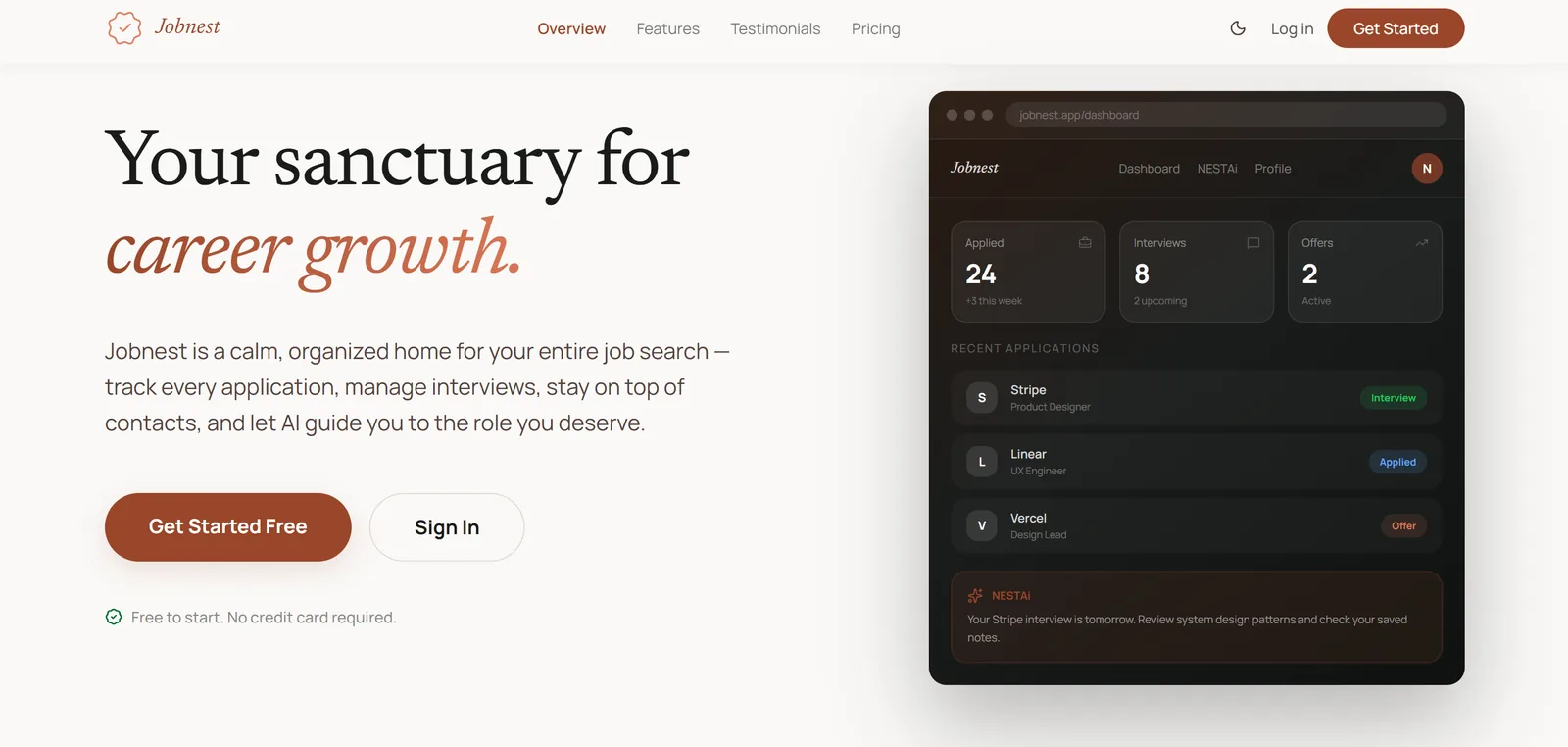
JobNest
A modern, secure job application tracker to manage your entire job search in one place. Features an AI-powered assistant (NESTAi), application analytics, interview scheduling, and email templates. A Techifive product.
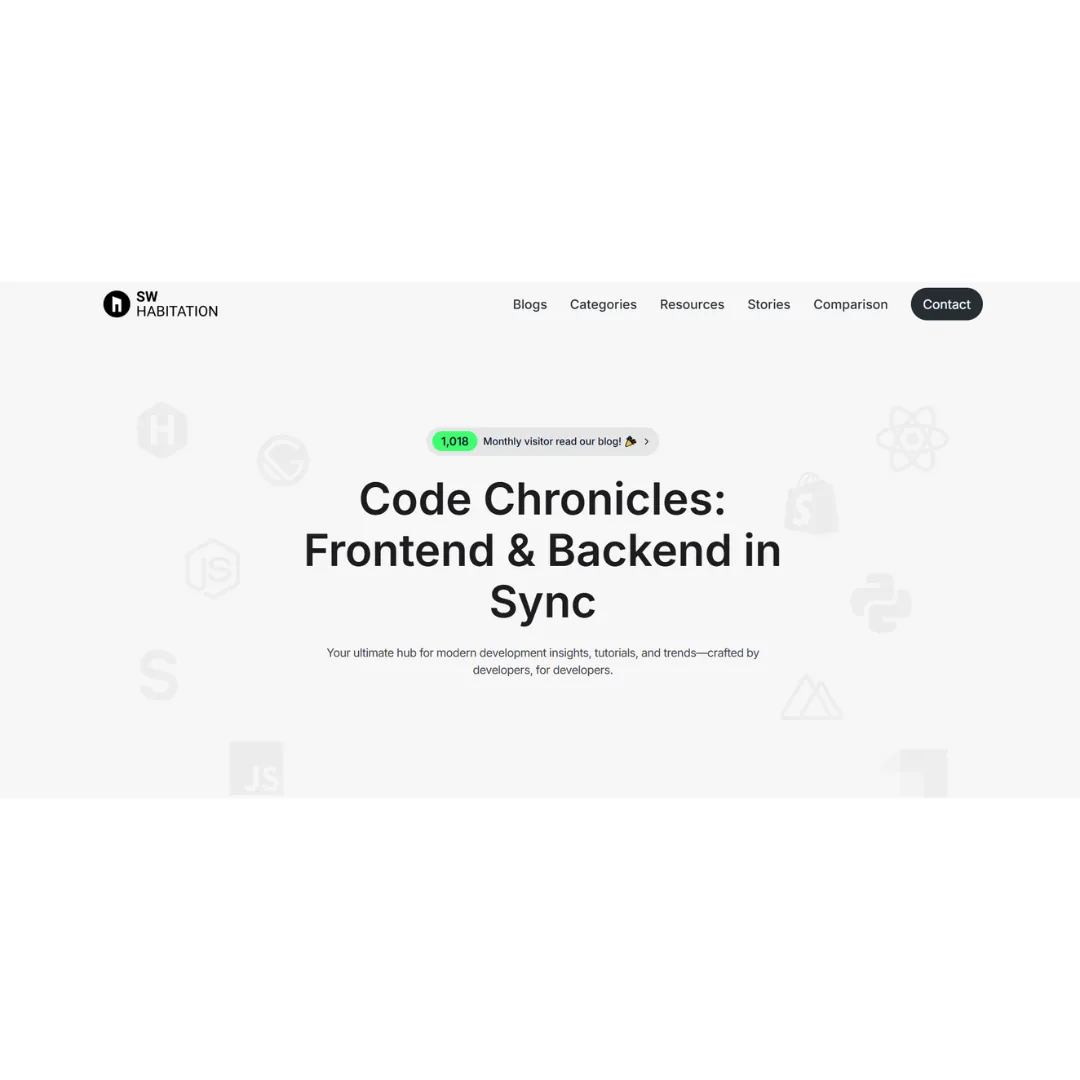
SW Habitation
A developer learning platform with tutorials, tools, and interactive resources used by 7K+ users, featuring insight dashboards and usage tracking.

Aviation Delay Prediction
An end-to-end ML pipeline and decision support system for predicting aviation delays across four major Virginia airports, built with a 3-engineer team processing 10 years of historical data.